
Helping Anxious Pets Through Brisbane’s Storm Season

Practical tips to reduce storm anxiety and keep pets calm during Brisbane’s summer storms

For many Brisbane pet owners, the arrival of storm season brings more than just wild weather – it also raises real concerns about Brisbane storm anxiety in pets. Dogs and cats don’t just “get spooked”; many genuinely struggle during thunderstorms, reacting to rumbling thunder, sudden flashes of lightning, and even the pressure changes that happen well before a storm arrives. If your pet trembles, hides, or seems to sense a storm long before you do, you’re not alone. In this guide, we’ll explore the why, and more importantly, the how of helping your dog or cat feel safer, calmer, and more at ease throughout Brisbane’s notorious summer storm season.

Why Are Dogs and Cats in Brisbane So Afraid of Storms?

Brisbane’s summer storms are hard to ignore. Our thick humidity, rolling thunder, and unpredictable downpours mean the sensory overload can hit pets hard. Dogs and cats often sense environmental changes (like a drop in barometric pressure and static electricity) long before any rain falls. Their hearing is much more sensitive than ours – dogs can hear a thunderclap kilometres away, and even subtle changes, like metal objects crackling with static, can be unsettling.

Here are some of the main triggers for storm anxiety in pets:

  • Loud noises and vibrations – Thunder, rain pelting the roof, wind rattling windows.
  • Flashes of lightning – Sudden, unpredictable bright lights can terrify sensitive animals.
  • Pressure and static changes – Your pet may pick up on these changes even if you don’t notice them.
  • Owner stress – Pets read our body language and mood. If you’re tense about the storm, they often mirror that stress.
  • Previous traumatic experiences – If a pet has been caught outside or alone during a bad storm, they may be more likely to develop storm phobia in future.

Studies suggest up to 40% of all dogs show some form of anxiety, with storm and noise phobia commonly overlapping. Cats can also show storm sensitivity, especially those who are naturally cautious or who have previously had stressful experiences with loud noises.
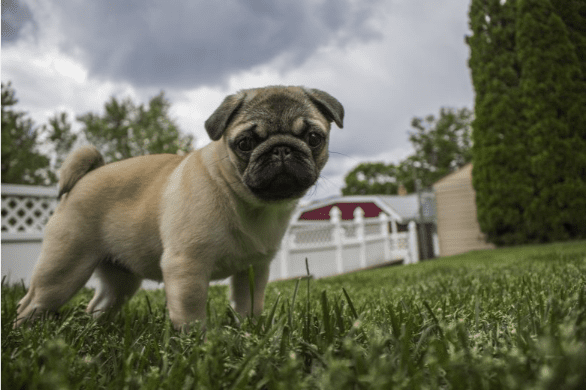
Small dog standing outdoors as storm clouds gather, illustrating how storms can trigger anxiety in pets
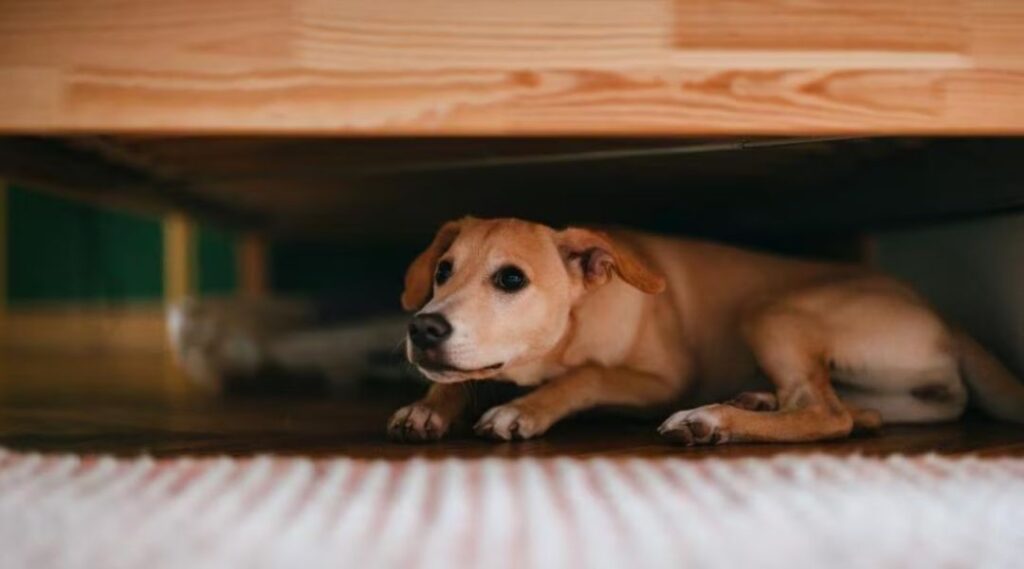
Dog hiding under furniture during a storm, showing signs of anxiety and fear triggered by thunder

Spotting the Signs of Storm Anxiety

Recognising your pet’s anxiety early makes it easier to step in with support before things escalate. Every animal is different, but some common signs include:

  • Dogs: Shaking, panting, drooling, pacing or restless behaviour, hiding, cowering, barking or howling, destructive chewing or scratching, attempts to escape, sudden accidents indoors, loss of appetite.
  • Cats: Hiding in tight spaces, refusing food, vocalising more (meowing, yowling, hissing), overly grooming (sometimes to the point of bald spots), wide eyes and flattened ears, sudden aggression, or toileting outside the litter tray.

Often, these behaviours build up before the storm hits and can persist until long after the thunder’s stopped. That’s why it pays to keep an eye on your pet as soon as the air feels heavy or the wind picks up.

Creating a Safe and Calm Space During Storms

The most effective thing you can do is start preparing before storms arrive. The aim is to give your pet a designated sanctuary where they feel protected, comfortable, and less exposed to scary sights and sounds.

  • Choose a small, interior room like a bathroom or laundry – somewhere with as few windows as possible.
  • Add soft bedding, favourite toys, and a worn T-shirt or blanket carrying your scent to make the space more reassuring.
  • Try covering wire crates with a blanket to give a den-like feel (but keep ventilation in mind).
  • Close doors, windows, blinds, and curtains to muffle sounds and block lightning flashes.
  • Use white noise machines, a fan, or calming music — classical music or dedicated pet “calm” playlists often work well.
  • Start using this safe space regularly in calm weather with treats and praise, so it becomes a positive “go-to” spot, not a punishment.
  • Offer multiple hiding spots (cardboard boxes, cat igloos, or a spot under the bed).
  • If your cat prefers to go ‘up’, provide access to a high perch or shelf away from windows.
  • Place favourite blankets or bedding inside chosen hiding spots.
  • Consider plug-in pheromone diffusers like Feliway in the room your cat usually retreats to during storms.

Some additional tips for both dogs and cats:

  • Reduce static shocks by moving pets off synthetic carpets, or lightly wipe them with a dryer sheet approved safe for pets (always check first).
  • Never confine an animal in a space they view negatively, and always allow an escape route if they want one.
  • Check ID tags and microchip details are up to date—frightened pets will sometimes run if possible.

Proven Calming and Distraction Techniques

Aside from safe spaces, a few hands-on techniques and products can make a real difference—especially when used as part of your storm routine.
  • Anxiety wraps and ThunderShirts: These apply gentle, constant pressure and may help many dogs feel safer. Fit snugly, but not tightly, and introduce when calm.
  • Pheromone diffusers and sprays: Adaptil (for dogs) and Feliway (for cats) plug in to release species-specific calming pheromones.
  • Puzzle toys and food enrichment: Licki-mats, stuffed Kongs, slow feeders, and scent games help distract and comfort.
  • Desensitisation training: Playing low-volume storm sounds outside of storm season, paired with treats and relaxation, is a proven method – but does require patience and consistency over weeks to months.
  • Gentle massage and touch: The Tellington TTouch method or just slow, gentle pats (if your pet seeks them) can help some animals. If your pet prefers space, respect their cues.
  • Stay calm yourself: Your pet often looks to you for reassurance. If you seem stressed, agitated, or worried, it can amplify their anxiety. Model a relaxed manner, and resist fussing or over-comforting when your pet is highly distressed, as this can sometimes backfire.
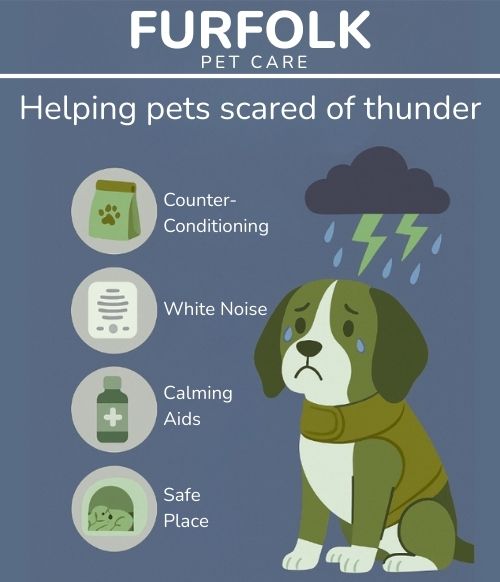
Infographic showing ways to help pets cope with fear of thunder, including comfort, calming spaces and routine

When to Consider Professional or Medical Support

For some pets, home care and training just aren’t enough. If your pet’s anxiety escalates to self-harm, house destruction, or agonising stress (panting, drooling, accidents, or total shutdown), don’t hesitate to seek expert help. Brisbane is home to a number of veterinary behaviourists, and most local vets are familiar with storm anxiety issues.

  • Short-acting anti-anxiety medications: Some pets benefit from timely medication (such as alprazolam, diazepam, or dexmedetomidine) prescribed by a vet, given ahead of or during storms. These work best when planned in advance.
  • Longer-term medications: For chronic, year-round anxiety, daily medications such as SSRIs (fluoxetine or sertraline) may be advised.
  • Supplements and natural aids: Melatonin, some calming chews, and even CBD are increasingly used, though always check dosage and suitability with your vet – and remember that natural doesn’t always mean risk-free.
  • Complex behaviour plans: For entrenched or severe storm phobia, a structured desensitisation and counter-conditioning plan under the guidance of a vet behaviourist is ideal. This may run over weeks or months and can often be combined with medication for best results.

There’s no shame in asking for extra help. Early intervention can spare your pet (and your household) a world of stress.

Preparing Your Pet for Brisbane’s Wild Weather

The intensity of Brisbane storms, including flash floods and cyclones, means that every pet owner should have an emergency plan—not just for calm, but for evacuation and lost-pet scenarios.

  • Microchip and ID: Check your details are up to date before storm season. Council and vets can help with quick updates.
  • Emergency kit: Pack a bag with food, water, medication, comfort items, copies of medical and registration papers, and an up-to-date photo of your pet.
  • Evacuation plans: Know well in advance which boarding kennels or friends could take your pets if you can’t stay home. Not all emergency shelters accept animals except service animals, so having a secondary plan is critical.
  • Neighbourly help: If you’re out and a storm’s coming, consider arranging with a neighbour to check on your pets or provide comfort until you return.
  • Practice run: Especially for nervous animals, do practise sessions so that crates, carriers, or travelling by car are familiar, not frightening.

Consistency and Kindness Count

There’s no single fix for storm anxiety. Instead, success lies in combining several strategies – safe spaces, calm routines, tried-and-true calming tools, and professional support if needed. What works for one pet may not work for another, so take note of your own animal’s responses and adjust as you go. Consistency (practising routines regularly and being prepared before a storm rolls in) goes a long way. Remember: improvement can be slow, especially with ingrained anxieties, but many pets do get better over time with patience and a proactive approach.

If your work or schedule makes it hard to be home during storms, consider engaging someone your pet trusts for in-home care on high-risk days, or ask if your local pet care provider offers storm watch services. The main thing is to never let your pet face a frightening storm alone if there’s any way around it.

Need a hand this storm season?

Storm season can be stressful for both pets and their people, but with good preparation and thoughtful, welfare-focused care, you can make a real difference to your pet’s wellbeing.

Pay attention to early signs of anxiety, make storm-safe spaces a normal part of your home, and don’t be afraid to reach out for expert advice if you need it.

With understanding, kindness, and consistency, most dogs and cats (and their owners) can ride out even Brisbane’s wildest weather feeling much more secure. Your pet will thank you for the extra care—and you’ll both be able to rest easier when the thunder rolls.

If you’d like an extra pair of trusted hands this storm season, Furfolk can help. Our Brisbane-based sitters provide in-home visits and overnight care, keeping your pet calm and comfortable in their own environment while you’re away or stuck at work.